Written by Coach Alex
As the temps drop and the leaves turn, that can only mean one thing. Fall road racing is here.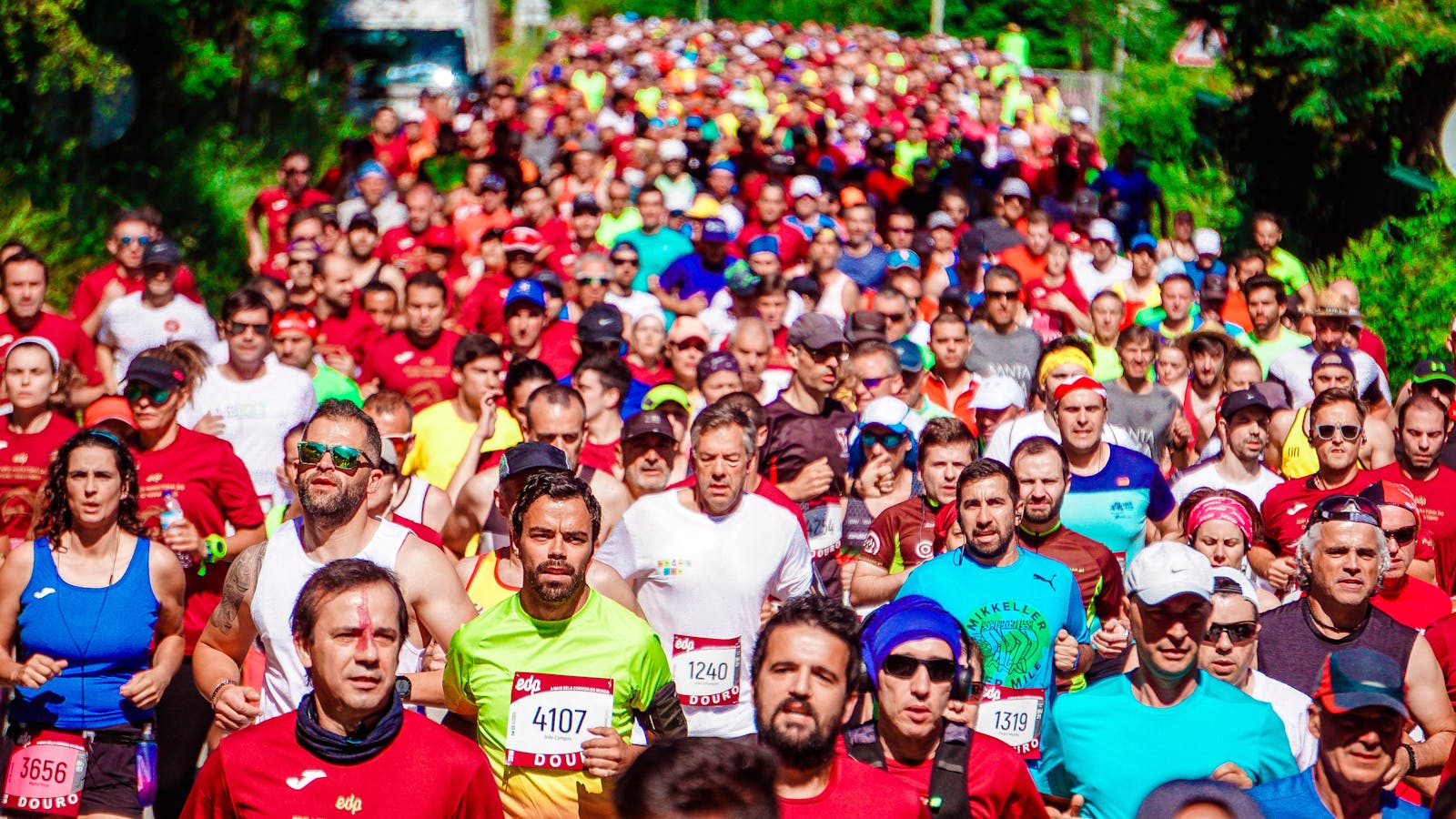
It can be easy to fall into the mindset of "I have to have the perfect build-up to my race." I'm here to tell you no such thing exists. Here are some tips and tricks to help when the inevitable happens!
1. Injuries happen. It is important to stay calm. Remember you can only control so much. Book an appointment with your physical therapist, reach out to your coach for training adjustments, cross train if necessary, and rest (body and mind). Stress won't help the injury, and can only hurt it further. This doesn't necessarily mean your race is over. Missing time now can be a blessing in disguise for the future!
2. Illness happens. All of the hard work and training can sometimes suppress the immune system. It's not uncommon for marathoners to catch a cold during their taper. Also very easy to panic in this situation, but try not to! There is a lot you can do that will help your body come up. Try and focus on hydration, eating foods that nourish (I crave homemade chicken noodle soup), and extra sleep. Taking off training during this time is recommended. This is your body's way of saying, "hey I need a break so I can perform on race day." Fitness doesn't diminish from a few days off. Try and push through it and you could make it worse.
3. The fatigue will set in, and when it does you will doubt yourself. Don't! Training for a marathon is hard work. One day you're smashing a workout, and the next you're barely able to get out of bed. The body takes time to absorb all the training, so there will be times you feel flat and tired. This is normal, but important to listen to. Give yourself rest if you feel like you need it, as pushing too hard during this time can send you into a hole that is hard to get out of. As you do more and more build ups, you will know the difference between tired and too tired.
4. Nerves are normal. As the race creeps closer, nerves will too. You want the right balance of nerves to help you get excited and not overly anxious. I like to start a book during my taper (no not a running book). Sometimes taking your mind elsewhere when you have a big event coming up is the perfect recipe to help calm things down. Get creative, but find something different to occupy your time that you'd normally spend running more miles. You want non running focus in your life so that you get a break from obsessing over the big day!
5. Enjoy the process. We put so much into a single day that it can get overwhelming. Try and remember part of the fun of this is the preparation. Without this piece the race wouldn't be what it is. Smile and know you are doing something special.
 In order to fully enjoy the benefits and experience of outdoor exercise, it is important to stay safe. Although some basics seem fairly simple and even obvious as sound preventative measures, even experienced runners and walkers might do well to review a few simple safety tips. Although mishaps are rare, the habit of good safety practices can really make a difference that one time when you are desperate for help.
Tell someone when and where you are going
If someone is expecting you at a certain time and you don’t arrive, they might send the help or make the call that might prove crucial in that very small chance that you really are in trouble. If no one is aware that you are past due or where you might have gone, those who care about you might have a much tougher time tracking you down. Leaving a note on the counter, sending a text, or just telling a friend, family member, or co-worker what you are up to is a good habit to keep. Even if you live alone, leaving a note to be seen by someone else in the event another needed to enter your house while looking for you, a text to someone else, or even an online calendar entry take next to no time at all, and can help others to track you down if things really have gone awry.
Be visible
Whether you are running or walking at dusk or dawn, in bad weather or hazy good weather, on a remote trail or a busy road, it does not hurt to wear bright clothes. Make choices that ensure other pedestrians, drivers, cyclists, and others can see you. Be visible to traffic coming the opposite direction when you don’t have an ample shoulder, be visible if you are sharing a bike path with quickly moving wheeled vehicles, and be visible if you turn an ankle, fall into the bushes and need some help. If you don’t like loud clothing, a bright hat or even a white hat / visor can often do the trick. Time to jump on board with the neon trend, even if that means donning a reflective vest at night. That split second of recognition can make a huge difference in a challenging traffic situation.
Have water
This piece is not the space where we talk in depth about the value of hydration as a training tool. However, water can be crucial if stuck in hot weather or other challenging situations. It is such a simple thing to bring a water bottle that we might take it for granted, but if you have ever been in a prolonged situation where clean water would have been useful, you will likely never forget again.
Be aware of your surroundings
Just like the defensive driving course you took as a high schooler, runners and walkers should always keep their surroundings in mind. Scanning the path ahead will allow you to stay one step ahead of dangerous situations. Keep your eyes open for individuals who might be following you in city locales, for quickly opening car doors, for cars entering and exiting driveways. Be on the look out for wildlife that might pose a problem in less densely populated areas, aggressive dogs with no visible means of restraint or territorial boundaries, and topography with an ankle-challenging pothole ahead. Furthermore, either ditch the headphones, wear them in one ear only, or turn the volume low enough that you can still be aware of the ambient noise. That moment of awareness can make the difference.
When possible, go with a buddy
Many of us run or walk solo more often than not, but when possible, it is always safer to go along with a friend who can help if something goes awry, and make any individuals with less than wholesome intent think twice about encountering you.
Finally, leave a trail
Well, not literally like Hansel and Gretel, but GPS enabled devices, a phone that can indicate your location even if you are unable to – these things can make a big difference. You might already be carrying your phone for music, but it may prove to be even more important in this capacity. With running shorts now sporting several pockets, and companies coming up with new types of light pouches every day, there are many ways to carry these things without impacting performance or your enjoyment.